
What to Expect When Selling a Loved One’s Home After They Pass
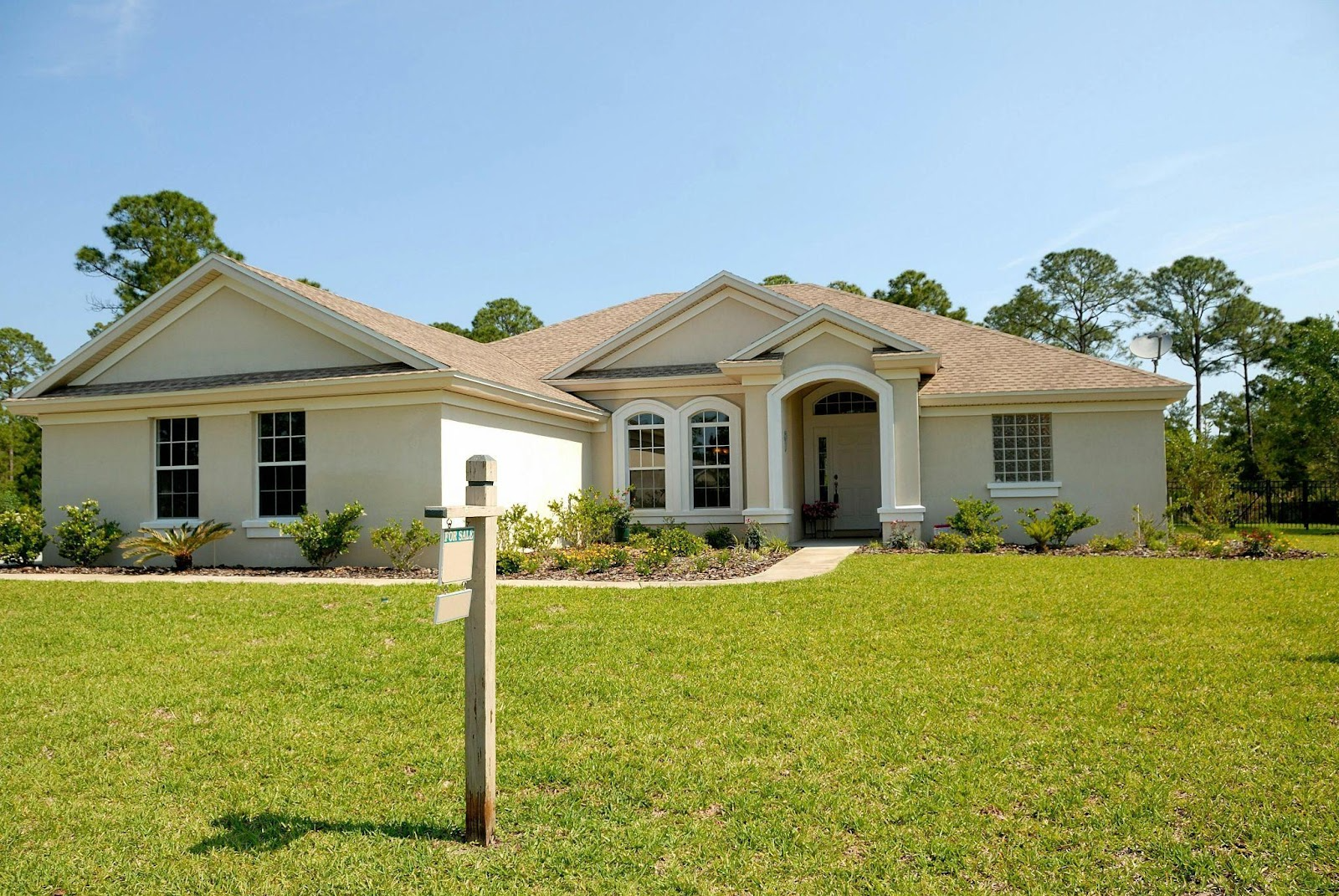
Image via Pexels
When someone close to you dies, the grief is hard enough without the logistics. And if you’ve been left to sell their home, you’re suddenly juggling emotion with estate work, market timing, and memory-packed decisions. There’s no perfect roadmap, but knowing what’s ahead can ground you. The process is more than a transaction — it’s an act of transition. Here's what to expect, what to prepare for, and how to handle it all with clarity and care.
Sort Out the Ownership First
Even if the home feels like “yours,” legally it might not be — at least not yet. Before calling a realtor or touching the listing platforms, the first step is to verify homeownership before listing. This typically means waiting for the probate process to formally transfer the title to the rightful heirs or executor. In some cases, if there was a trust or joint ownership in place, the transfer is simpler. But don’t assume. Get the title checked. Without clean ownership, your hands are tied — even if the house sits empty and ready.
What You Can Do Before Probate Ends
Many people assume you can’t touch an inherited home until the probate gavel slams down. That’s not always true. In some states, executors are allowed to sell assets — including real estate — before probate officially wraps. With the right court approvals and notices in place, selling inherited property before probate is complete can help offset estate debts and reduce tax burdens. It’s a legal needle to thread, but one worth exploring early. Especially if the home requires upkeep, insurance, or mortgage payments, waiting isn’t always the best move.
Remove the Guesswork from Pricing
Emotion clouds numbers. Memories of holidays and family dinners have no dollar sign, and that can skew your pricing instincts. This is where you step back and get professional valuation. A licensed appraiser will look at square footage, comps, condition, and local trends — not nostalgia. Their report not only helps set a fair asking price but also supports the estate’s documentation if disputes arise or tax questions follow. It’s not just about “what someone will pay.” It’s about having a number that withstands scrutiny and feels defensible.
Treat the Virtual Tour Like a Walkthrough Script
Virtual home tours have gone from "nice touch" to expected standard—especially when buyers are remote or pressed for time. If you're filming one for your home, remember this: you don't have to do it yourself! A licensed Realtor can take care of the entire process, including professional filming, high-quality pictures, and virtual staging. You can relax knowing the hard work will be handled by your agent.
If you are filming it yourself, though, don't wing it. Map out each room’s role in the tour. Start at the front door. Know where you’ll pause, what angles to highlight, and how you’ll transition from room to room. Think like a buyer. What would you want to see first? What tells the story of flow and function? A few minutes of planning can make a world of difference on camera.
Make Your Video Feel Like a Story, Not Just a Tour
Creating a great walkthrough isn’t just about filming — it’s also about shaping. Once you’ve shot the footage, it’s time to refine. Tools that support professional video editing and trimming allow you to cut out awkward pauses, reorder shots for better flow, and add simple transitions that keep viewers engaged. No need for film school — just trim the extra, tighten the story, and let the home speak for itself. A smooth, respectful video doesn’t just inform. It invites.
Stage the Space to Feel Spacious
A cluttered house — even a lived-in one — doesn’t translate well on video. What feels “full of life” in person can look cramped or chaotic in 1080p. Before hitting record, take a moment to maximize light and simplicity. Open the blinds. Turn on all the lights. Clear countertops. Remove anything too personal or specific (like family photos or themed decor). Aim for calm, bright, and neutral — the kind of space someone else can imagine themselves stepping into. You're not erasing your loved one’s life. You’re making space for someone else’s beginning.
Digitally Fill the Gaps When the Rooms Are Empty
Sometimes, the home is already cleared out — either by the time you inherit it or by necessity. Empty rooms can look cold or confusing in photos and videos. This is where digital design earns its keep. With a little help, virtual staging adds emotional context to empty rooms. You can drop in warm lighting, modern furniture, or soft textures that turn a hollow bedroom into a cozy haven. It’s not about deceiving — it’s about helping buyers visualize life there. And it works.
Selling a loved one’s home is rarely just about square footage or closing costs. It's about navigating memory, responsibility, and finality — all while trying to do right by the people and the place. There’s grief in the process, yes. But there’s also gratitude. Gratitude for what the home gave, and a quiet hope that it will now give again. If you’re the one tasked with this passage, know this: you don’t have to do it perfectly. But you can do it well. With clarity. With care. And one step at a time.
Discover your dream home with Martha Valiquette, where your lifestyle and aspirations are our top priority. Explore our featured areas and let us guide you to a seamless real estate experience today!