
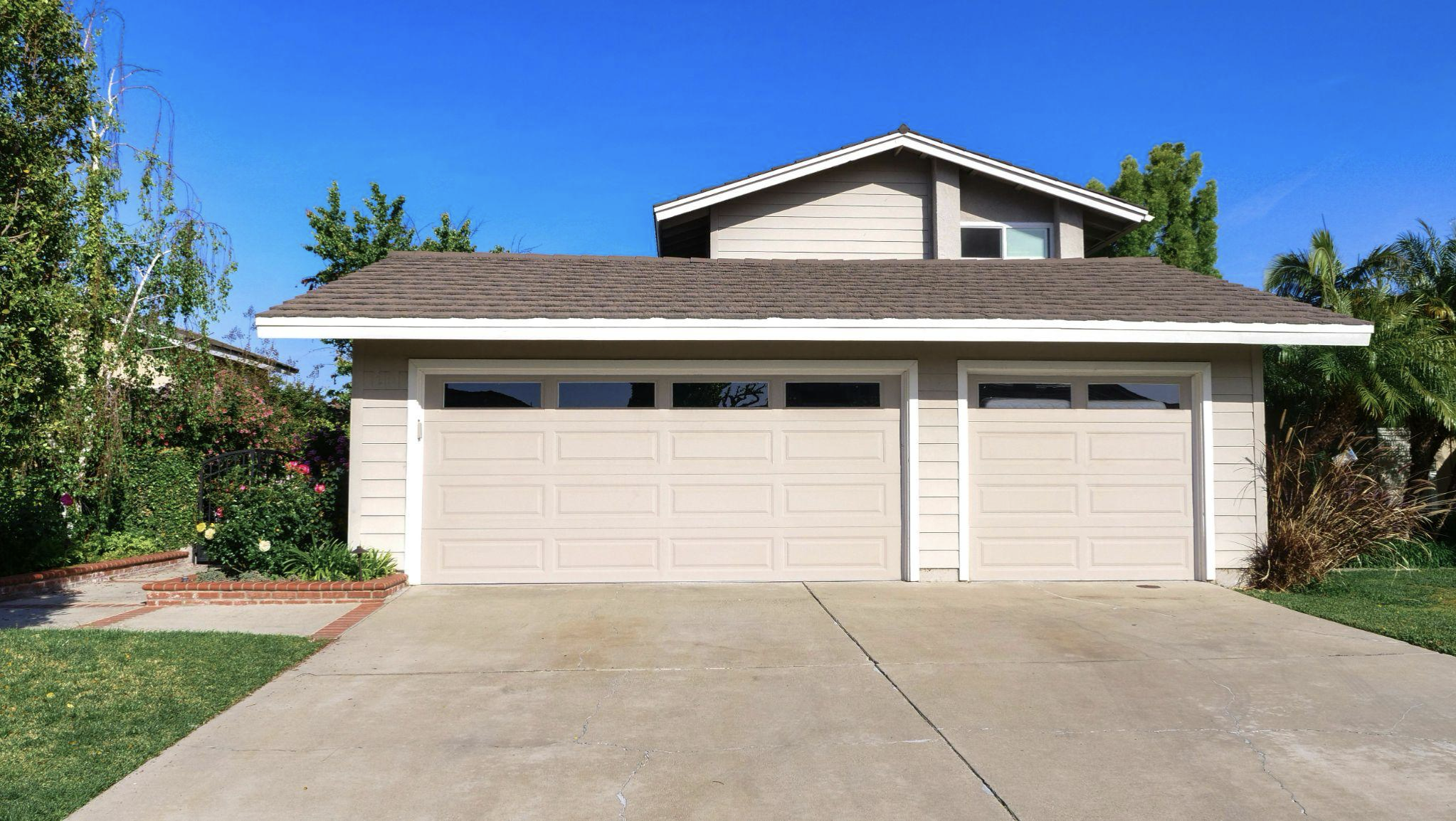
Photo by Pexels
Modern Appeal, Classic Bones: The Seller’s Guide to Updating an Older Home
Selling an older home isn’t just about polishing the floors and mowing the lawn anymore. Today’s buyers are drawn to homes that balance charm with modern comfort. Whether your house was built in 1920 or 1980, you can make it irresistible by mixing timeless details with smart, affordable upgrades.
Quick Take: What Works Right Now
If you’re short on time, here’s what helps most sellers today:
- Simplify the story your home tells: Neutral colors and decluttered layouts make rooms feel newer.
- Focus on perceived comfort: Lighting, temperature control, and efficient systems matter more than granite countertops.
- Show functionality, not age: Refinished floors, upgraded outlets, and fresh hardware can visually “age-reverse” a home.
- Market the contrast: Play up heritage (woodwork, arches) while proving it lives like a 2025 home.
The Psychology Behind “Freshness”
Buyers aren’t necessarily rejecting older homes, they’re rejecting the feeling of maintenance. A buyer wants assurance that the house won’t surprise them with leaks, drafts, or a clunky furnace. Your goal: reduce mental friction. Every fix, finish, or feature should quietly communicate, “This home has been cared for and updated intelligently.”
Common Buyer Turnoffs (and What to Do Instead)
|
Problem Area |
Quick Fix |
Why It Works |
|
Dated lighting |
Replace with LED fixtures in warm tones |
LEDs read as modern and efficient |
|
Worn wood trim |
Repaint with soft matte whites or sand and stain |
Light trim reframes rooms instantly |
|
Small kitchens |
Add floating shelves, under-cabinet lighting |
Expands sightlines and adds usability |
|
Old thermostat |
Replace with smart thermostat |
Suggests comfort, efficiency, and modern control |
Upgrade Strategy: Start with the Sensory Layer
Before you dive into deep remodels, work from the surface inward.
1. Light: Older homes often feel dim. Layer your lighting—overhead, task, and accent—to brighten every corner.
2. Sound: Seal gaps around windows and replace old weather-stripping. Reduced noise = perceived quality.
3. Touch: Swap brass knobs and yellowed switches for matte black or brushed nickel. These small tactile updates elevate the whole home.
Your Step-by-Step Refresh Checklist
1. Begin outside.
Curb appeal sets the tone. Trim bushes, power-wash siding, and repaint the front door in a confident color (navy, sage, or charcoal).
2. Declutter with purpose.
Remove half of what’s in each room. You’re selling space, not stuff.
3. Paint like it’s 2025.
Go for a cohesive palette, think soft greige walls, crisp trim, and minimal accent walls.
4. Modernize comfort systems.
Check your electricity, plumbing, and insulation. Buyers often ask for energy reports.
5. Stage the lifestyle.
Show a breakfast bar with mugs and flowers, or a cozy reading nook; these micro-stories help buyers imagine living there.
Your HVAC System Matters
Behind the shiny finishes, modern buyers care deeply about the bones of the house. A major pain point? Inefficient or failing HVAC systems. Upgrading yours can drastically improve energy performance and buyer confidence.
When repairs are needed, always use quality-certified components; cut-rate parts often lead to repeat failures or compatibility issues. If you need replacement parts, this resource may help you find reputable HVAC supplies that fit your system correctly and maintain long-term reliability.
Design Refresh: Marrying Old Bones with New Ideas
Older homes often have architectural character that newer builds lack. Your job is to highlight it, not hide it.
Use these simple design tactics:
- Frame original details (arched doors, wainscoting) with neutral backdrops.
- Add contrast with modern furniture silhouettes.
- Use natural light strategically: Open drapes and remove heavy blinds.
- Introduce greenery to add life and soften sharp angles.
- Create open sightlines by removing unnecessary interior doors.
Mini FAQ: Selling Your Older Home
Q: Should I renovate or just refresh?
If your layout works and systems are functional, focus on cosmetic updates. Major renovations rarely pay back dollar-for-dollar in resale value.
Q: How important is staging?
Extremely. Even modest staging (plants, neutral linens, art) helps buyers emotionally connect to the space.
Q: Are smart-home upgrades worth it?
Yes, buyers under 40 expect at least a few: smart locks, thermostats, or lighting controls are inexpensive credibility boosters.
Q: What’s one thing to avoid?
Over-personalization. Bold paint or overly trendy finishes can alienate buyers.
Pair History with Proof of Care
Buyers love stories, especially when they come with documentation. Create a “House Dossier” to show maintenance records, appliance manuals, and utility savings. This builds trust and reduces perceived risk. Homes that feel both authentic and accountable often sell faster and closer to asking price.
In Closing
Upgrading an older home for today’s market doesn’t demand a gut renovation. It’s about creating harmony between character and convenience. Fix the essentials, refresh the finishes, and communicate value through care. When your home tells a clear, modern story—buyers listen, and offers follow.